Buyer-First Brand Directory
Best greenhouse brands (2026)
All 10 makers here are compared by structure type, sourced price, and who they actually fit, from heirloom glasshouses to the mid-market picks that last. The kit price is rarely the finished price: base, foundation, and glazing decide the rest.
- Brands
- 10
- Countries
- 6
- Lanes
- 3
Editor’s Picks 2026
The best greenhouse brands for 2026
Brands worth your shortlist, across the premium glass and mid-market polycarbonate lanes. We did the homework so you do not have to compare spec sheets all night. If a brand is not here, it is usually because the build, the support, or the price-to-quality ratio did not survive scrutiny.

Best Overall / Heirloom Glass
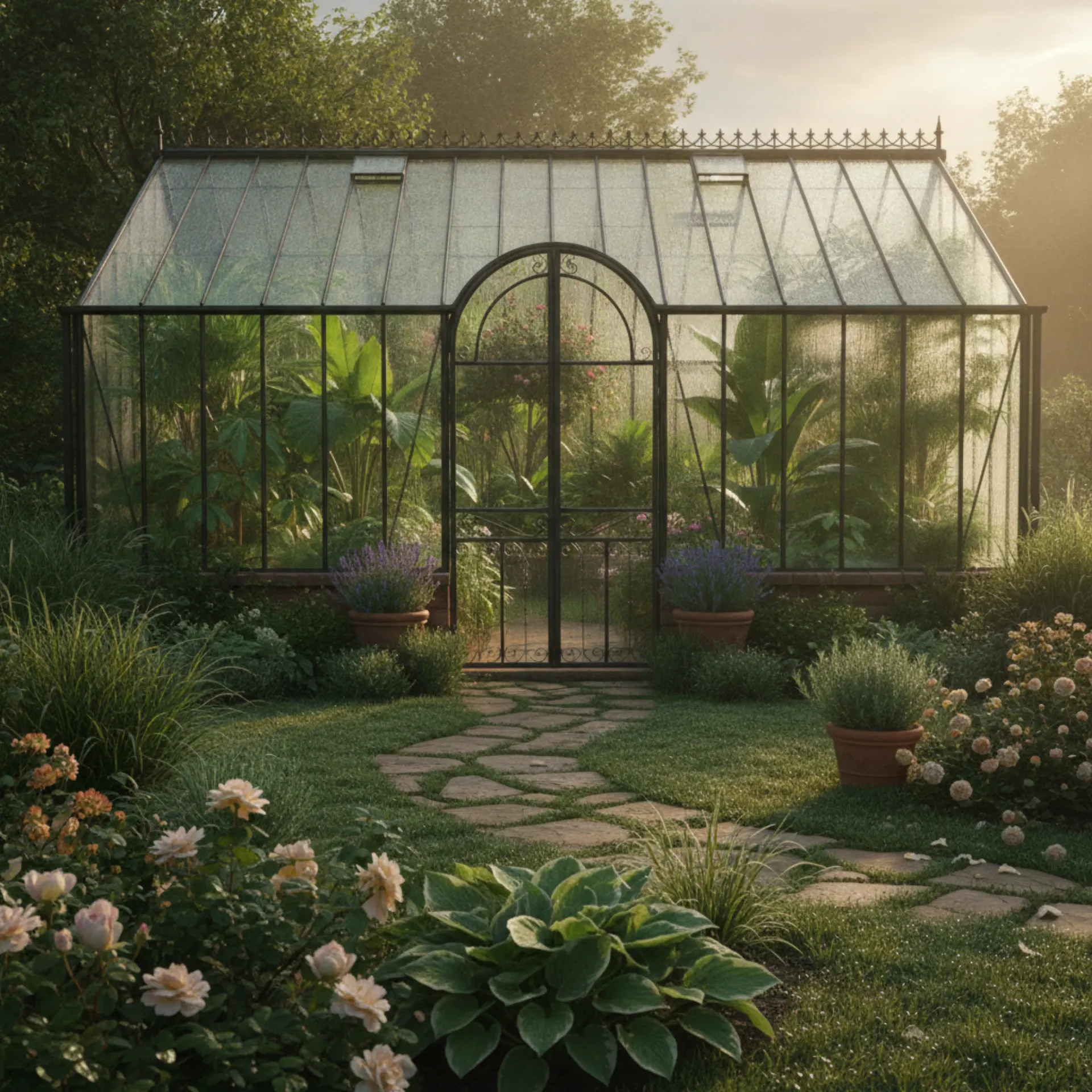
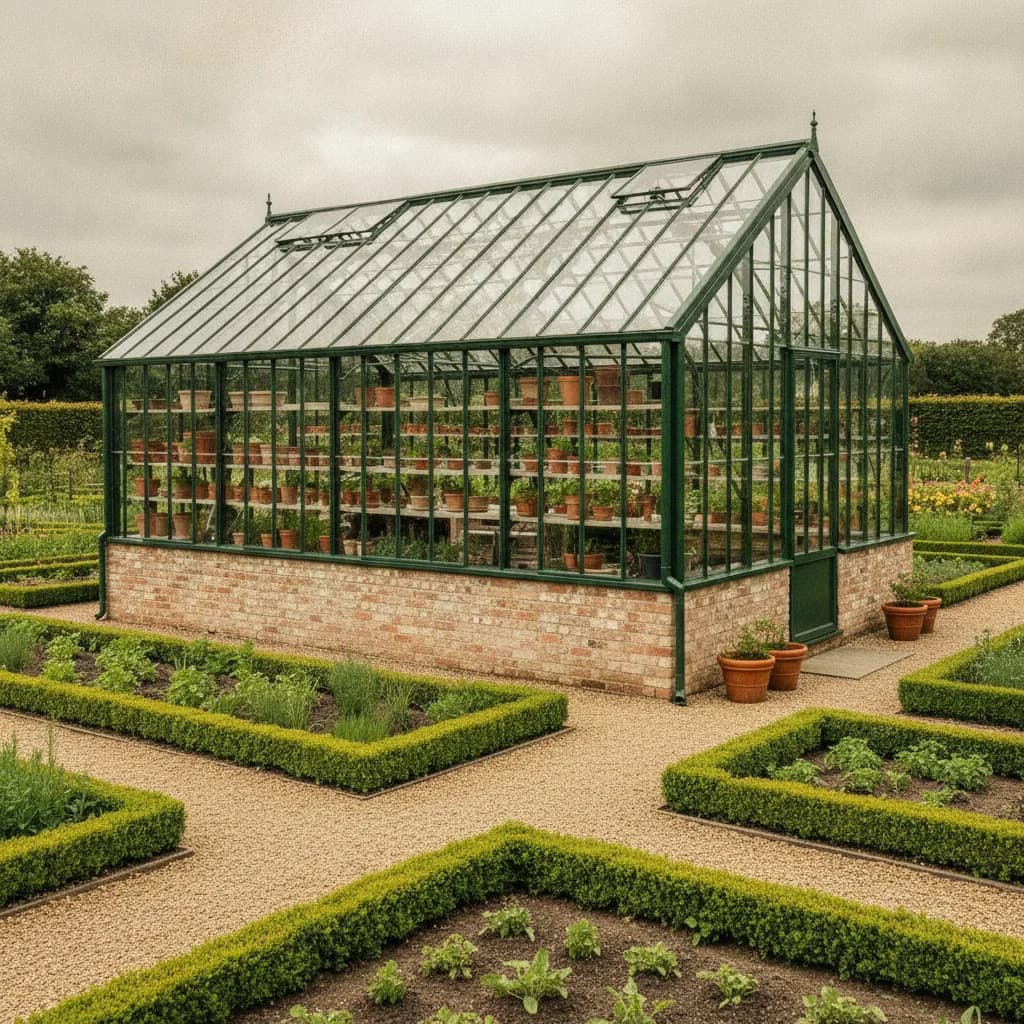
Hartley Botanic
The heirloom glasshouse. Hand-built in England to last decades, from roughly $15,000 into the tens of thousands installed. If you want the best and you will keep it 20 years, it earns it. Overkill for a seed-starting hobby, and we will tell you when it is.
PremiumRead verdict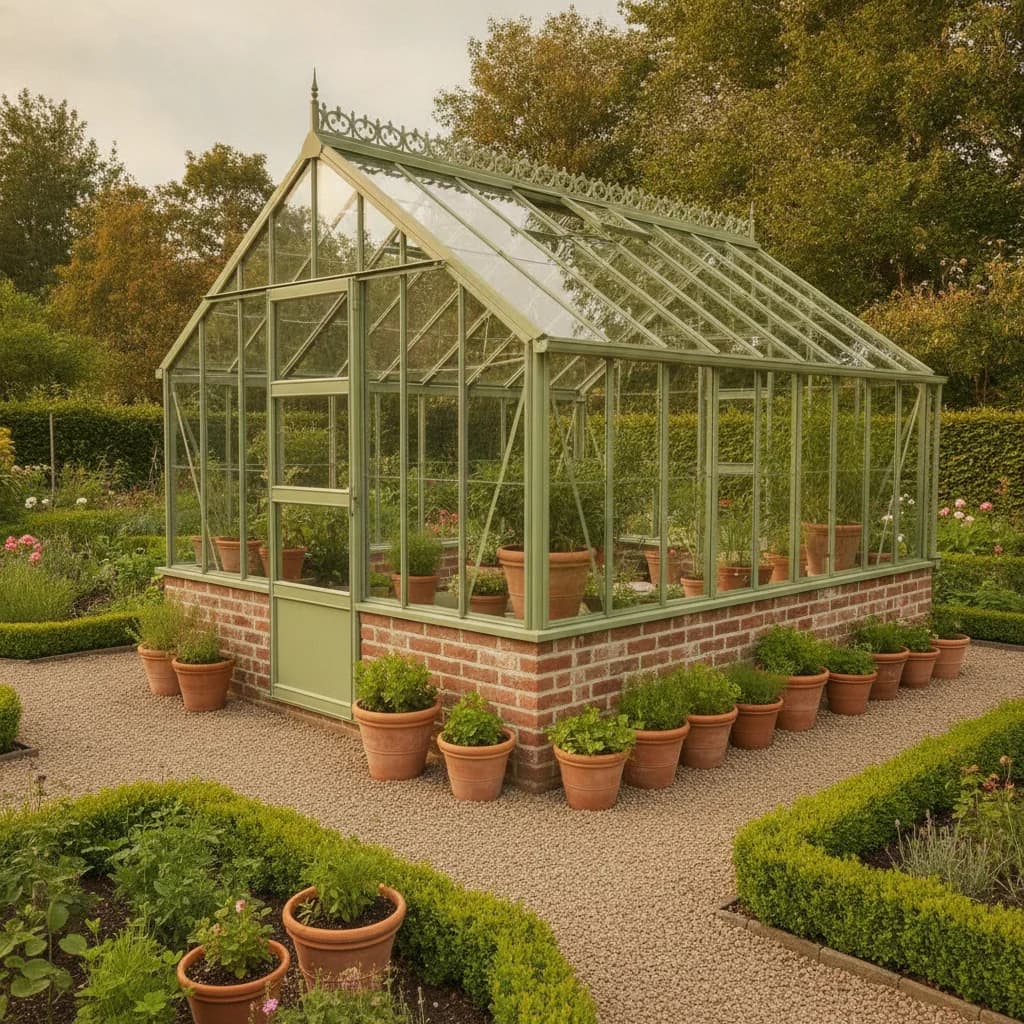

Best Premium Glass
Janssens
Belgian glass and a Victorian look at a more reachable premium price than the top tier. The step into real glass without the top-shelf number, for the buyer who wants glass but not five figures.
PremiumRead verdict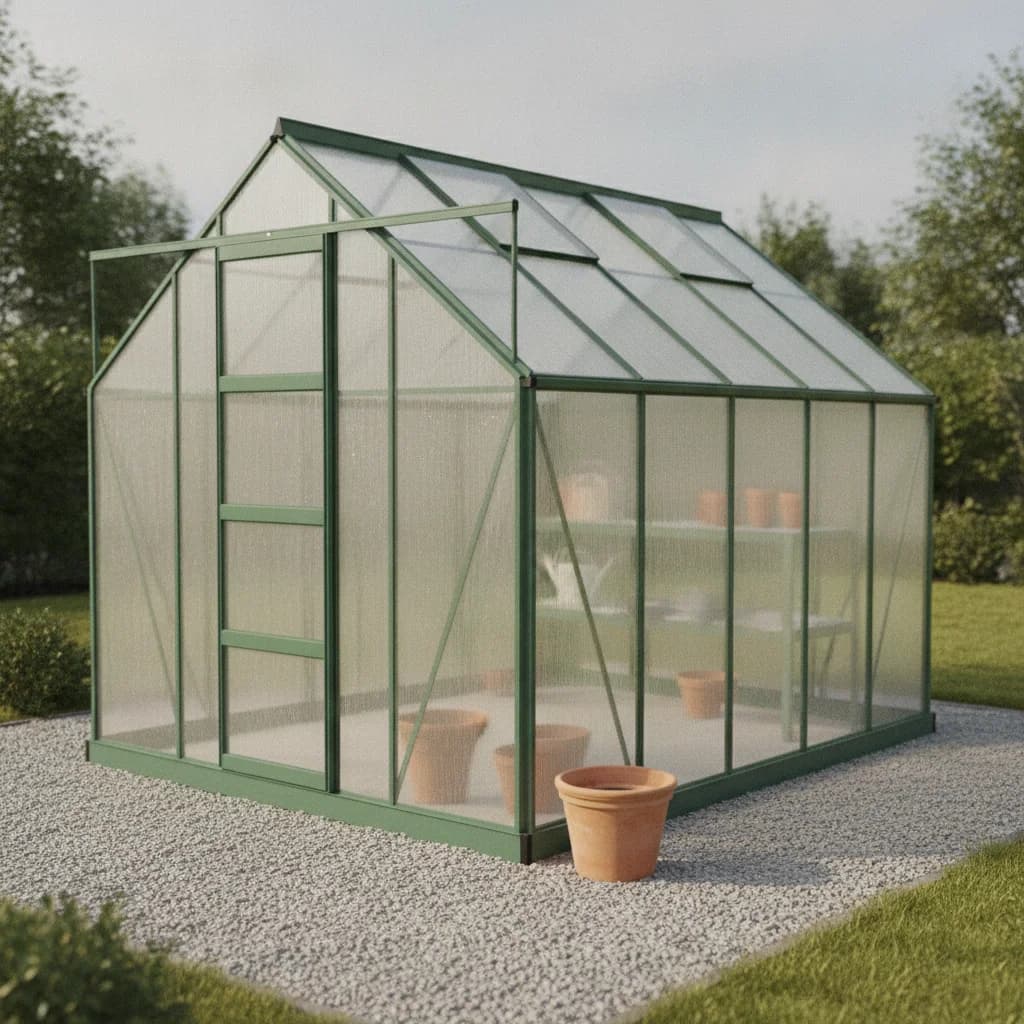

Best Polycarbonate
Palram/Canopia
The value-that-lasts default. Twin-wall polycarbonate on an aluminium frame, DIY-friendly, and it holds up far better than the kit lane for around $1,500 to $6,000. The right call for a lot of buyers, and saying so is the point of the site.
Mid-rangeRead verdict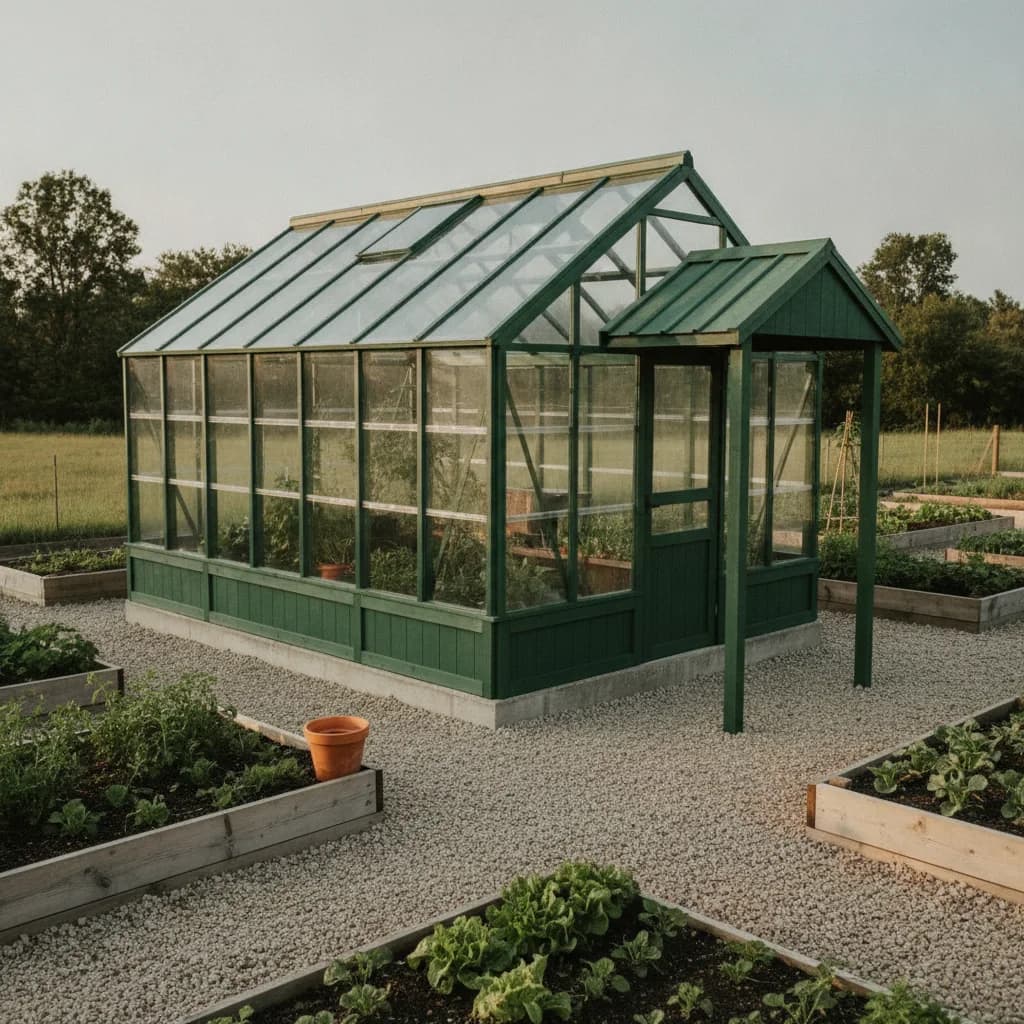

Best Mid-range
Yoderbilt
US-built and delivered fully assembled, with a finished floor and direct customer support. The step-up buyer’s pick when a flat-pack kit is too flimsy but a five-figure glasshouse is more than you need.
Mid-rangeRead verdict
No cheap-kit pick on purpose. Under about $1,000 you are usually buying a dropship reseller, not a greenhouse brand. See the real all-in cost guide for what affordable actually looks like once the base is in.
All 10 greenhouse brands we cover
Filter by structure to narrow the shortlist. Every card links to the full verdict, sourced price, strengths and caveats.
Showing 10 of 10 greenhouse brands.
Hartley Botanic
Buyer priority
Right for a buyer who wants a genuine heirloom glasshouse with an 85 year British pedigree and RHS endorsement, and who is comfortable spending premium money and waiting months for a hand-built, professionally installed structure. Skip it if you want a fast, fixed-price kit you assemble yourself, or if you are not prepared to add masonry base work and a multi-month timeline to the budget.
Janssens
Buyer priority
Right for a hands-on buyer who wants a real glass, Victorian-style greenhouse with a genuine architectural look for a fraction of Hartley or Alitex money, and who is comfortable managing a freight delivery and a substantial self-build. Skip it if you want white-glove installation, a single accountable manufacturer, or an insulated structure, and treat the exact warranty and the specific seller's reputation as things to verify in writing before you pay.
Palram Applications (Canopia)
Buyer priority
A sensible pick for budget-minded and first-time growers who want an inexpensive, retail-available kit and are comfortable with DIY assembly and modest insulation. Buyers in windy or snowy areas, or anyone wanting long-term durability and warmth, should either upgrade to a twin-wall model like Mythos or Glory or look at a sturdier brand; do not treat the thin single-wall entry kits as a permanent, storm-proof structure.

Planta Greenhouses
Buyer priority
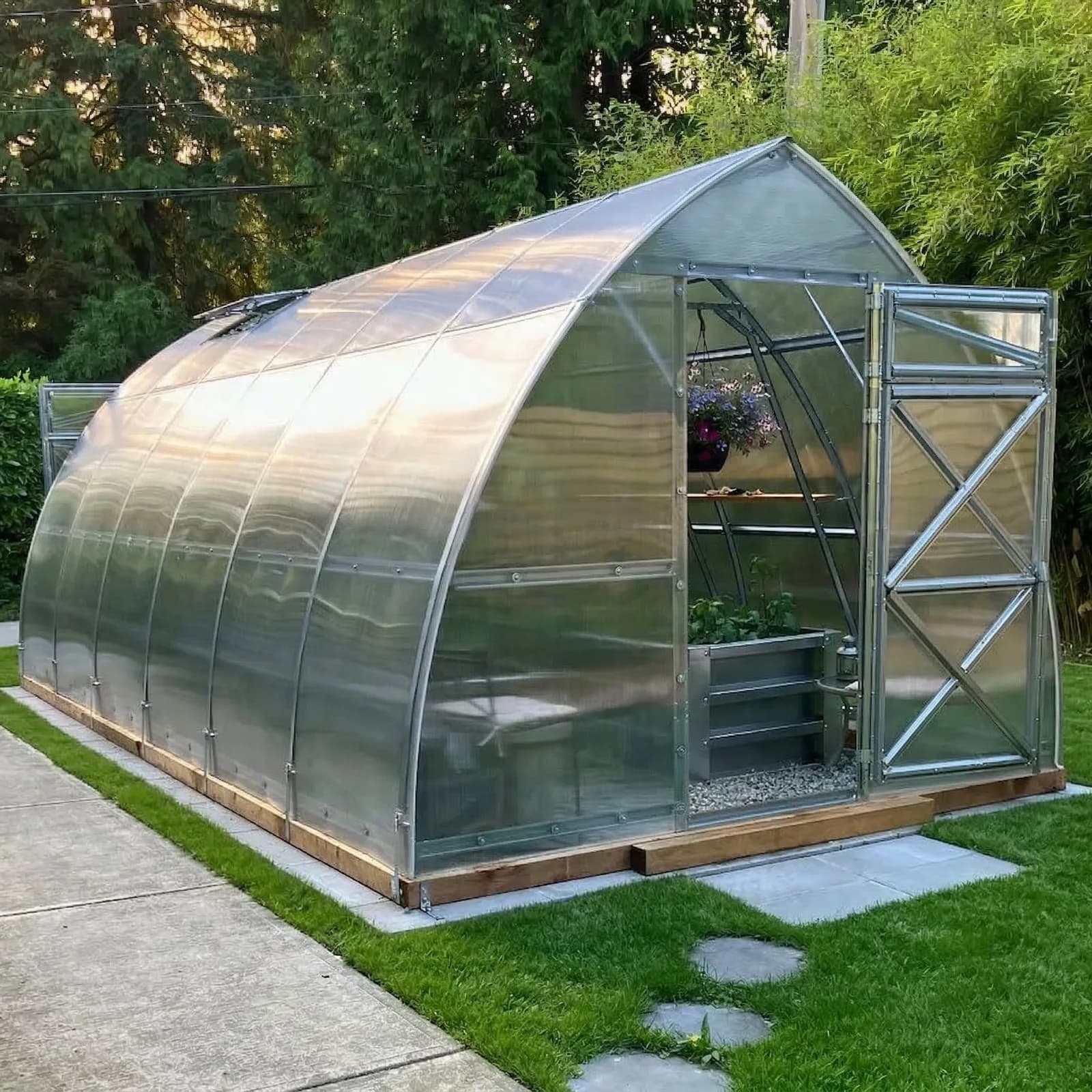
Planta is one of the few mid-market kit brands that gives a cold-climate buyer model-level snow and wind figures. Gen III kits were listed from $2,550 to $6,800 on August 27 before freight, the base, vents and assembly. Sigma 20 states 55 psf and 65 mph; Sungrow 20 and 26 now state 75 psf and 65 mph when properly anchored, rechecked September 26. The finished frame earns strong owner feedback. The build is slow, the glazing is 6 mm, and the rating plus warranty detail must match the exact generation in writing before you pay.
Yoderbilt Greenhouses
Buyer priority
A strong choice for US buyers who want a durable, attractive, customizable greenhouse delivered ready to use and are willing to pay a premium to skip DIY assembly, and who have the yard access and level-pad site to receive it. Skip it if you are on a tight budget, want a small quick kit, live outside its delivery area, or cannot provide the clearance a fully assembled unit needs; kit brands like Palram will cost far less if you accept the trade-offs.

Alitex
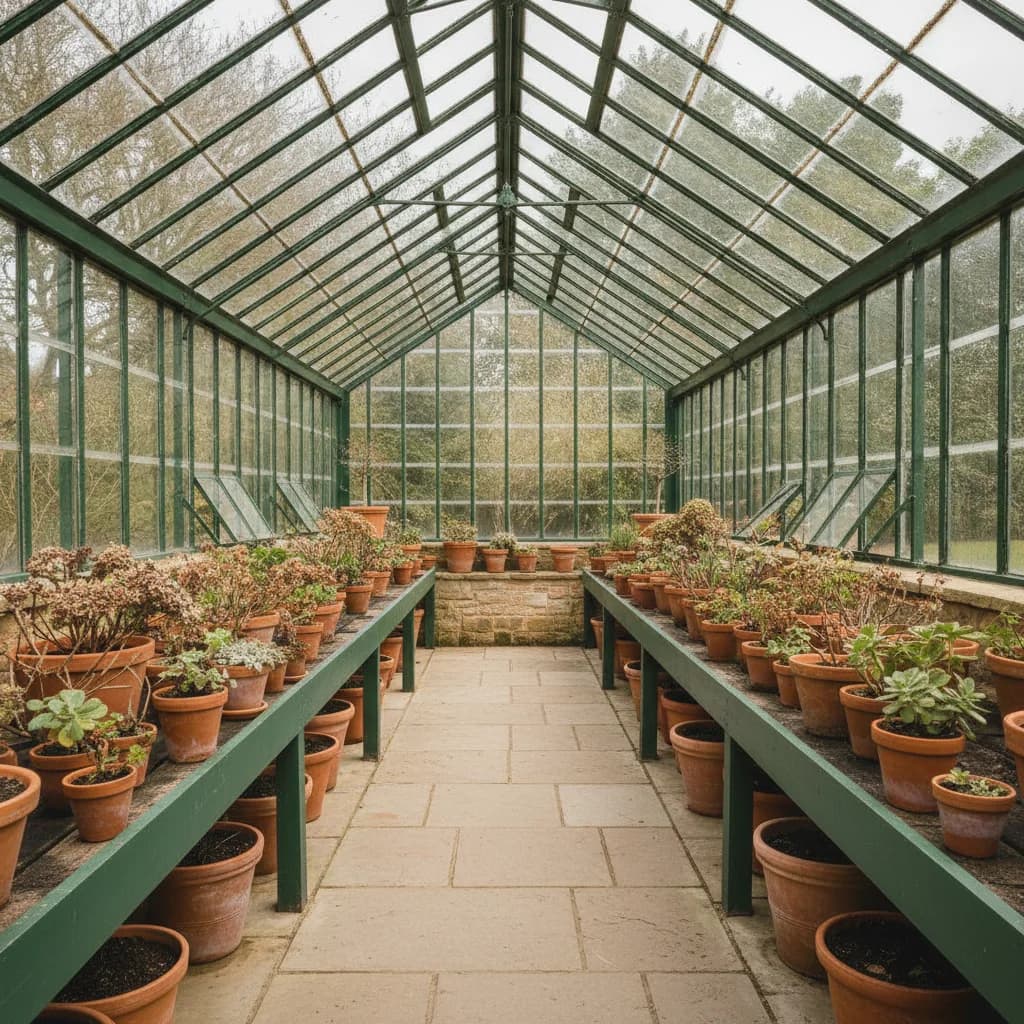
Right for a buyer who wants a museum-grade, made-to-measure aluminium glasshouse with National Trust and Kew credentials, a lifetime frame guarantee, and a dedicated US operation to deliver, install, and service it, and who is comfortable at $60,000 and up. Skip it if you want an insulated off-the-shelf greenhouse, a fixed catalogue price under five figures, or fast delivery.

Exaco Riga
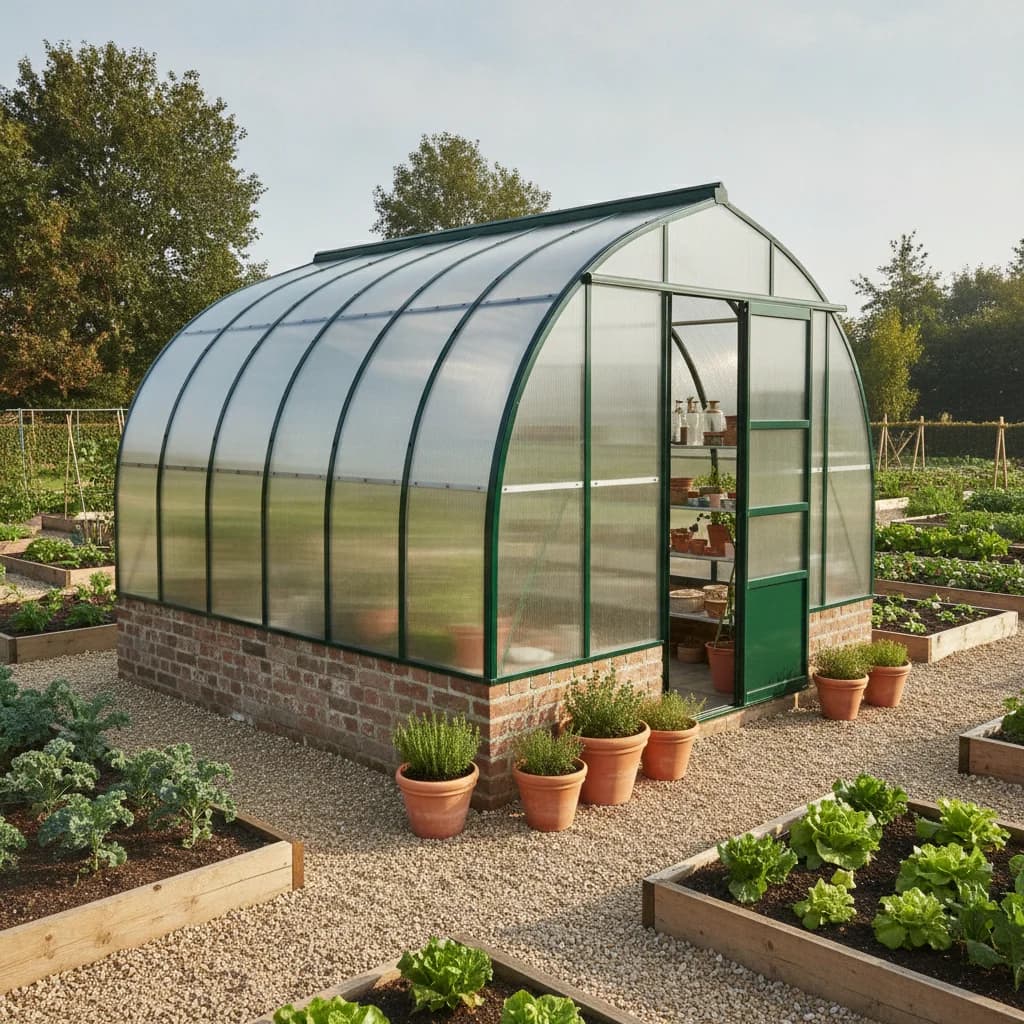
The right choice for a buyer who wants a heavy-duty, well-insulated, storm-rated greenhouse for year-round or near-commercial use and is willing to pay premium money for German build quality and a long warranty. Skip it if you want a clear-glass look, a small quick kit, or a budget price, and be ready for a serious foundation and a substantial assembly.
Gabriel Ash
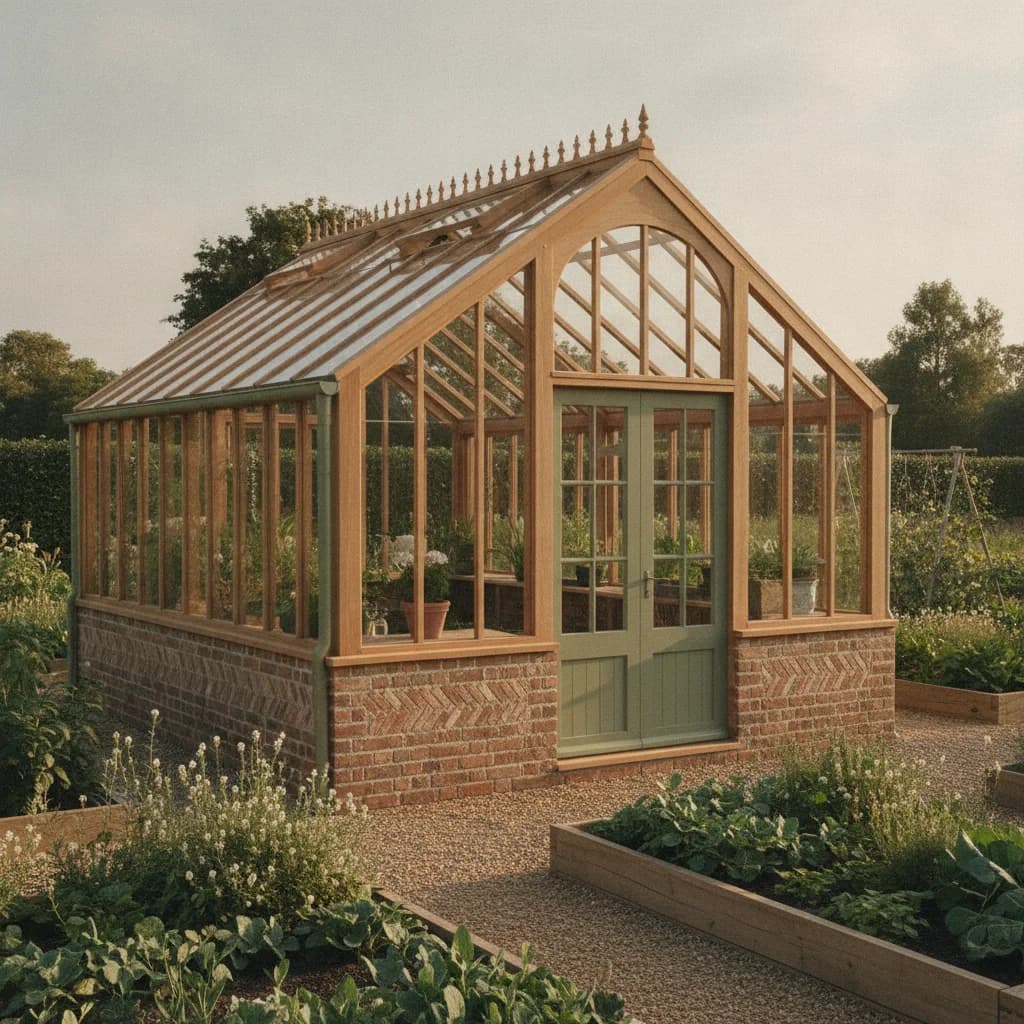
Worth considering only if you can buy an existing or in-stock unit and you want a genuine heirloom-grade cedar glasshouse with RHS pedigree, and the price is not the deciding factor. Everyone else should skip it, both on cost and because the brand has stopped producing new greenhouses; if you do buy, insist on written confirmation that your specific order and warranty will be fulfilled before paying.

Rion
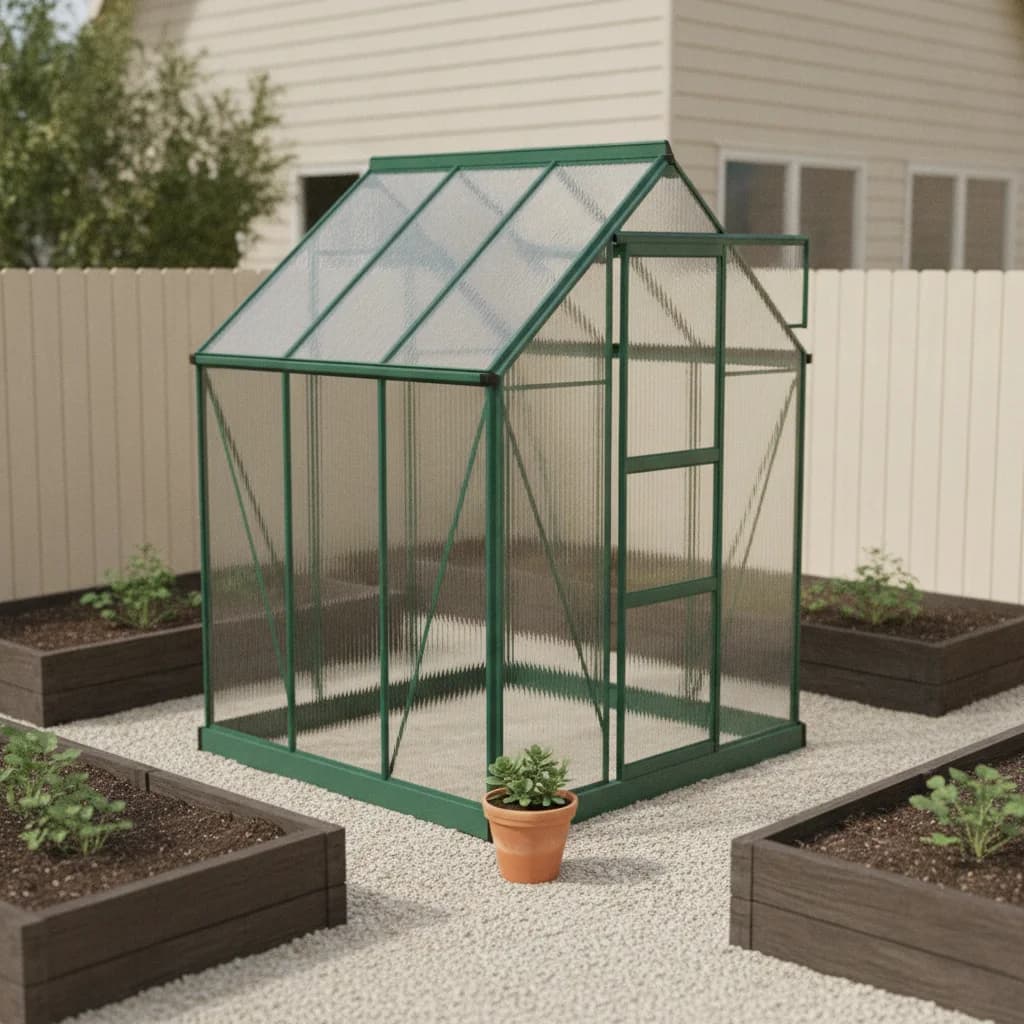
A reasonable middle-ground pick for a buyer who wants a walk-in polycarbonate greenhouse with a rust-proof resin frame and easy pin-and-lock assembly, and who is willing to shop around on price. Skip it if you want a clear-glass look, the absolute lowest price where a thin single-wall Palram or big-box kit is cheaper, or heavy-gauge aluminum for extreme weather, and always compare the same model across retailers before ordering.
Solexx
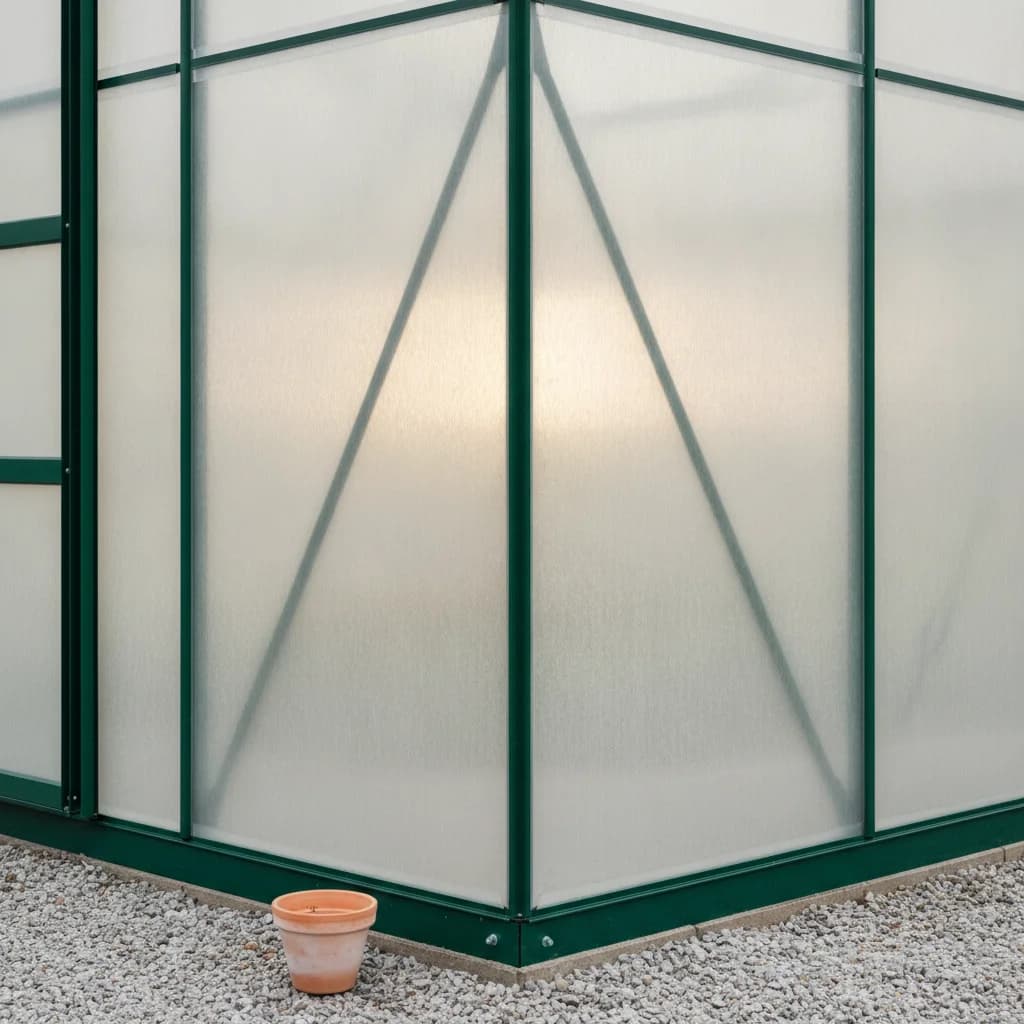
A strong pick for a serious hobby grower in a cold or windy climate who values insulation, even diffused light, and hail resistance over a clear-glass look, and who is comfortable paying more than a budget kit. Skip it if you want to see through your greenhouse walls, need maximum winter light for light-hungry plants, or are shopping purely on price, where a Palram or Rion kit will cost less.
Compare all 10 side by side
Showing 10 of 10 brands.
| Rank | Brand and verdict | Price range | Check before ordering |
|---|---|---|---|
| 1 | Hartley Botanic | Quote onlyAs of July 2026 | Most models sit on a dwarf wall, so budget and plan masonry foundation work before delivery |
| 2 | Janssens | $8,799 to $45,999As of August 2026 | Confirm the 18-wheeler can reach your property and arrange help for offloading a heavy palletized shipment |
| 3 | Palram Applications (Canopia) | $351 to $9,999As of July 2026 | Anchor the greenhouse firmly to a level foundation immediately after assembly, since wind and panel blow-out are the most common failure mode |
| 4 | Planta Greenhouses | $2,550 to $6,800As of August 2026 | Sungrow pages previously conflicted at 75 versus 82 psf; the 20 and 26 Gen III product pages and collection now agree at 75 psf. Ask which rating applies to the exact revision delivered and for its engineering basis. |
| 5 | Yoderbilt Greenhouses | $3,295 to $16,695As of July 2026 | Prepare a level base before delivery, either a poured concrete slab or a compacted gravel pad (owners commonly use several inches of 3/4-inch crushed stone) |
| 6 | Alitex | $60,000+As of August 2026 | Confirm exactly what the quote includes. The published Capel price covers delivery and installation in select states only, and base or groundworks can be extra |
| 7 | Exaco Riga | $5,999 to $22,999As of July 2026 | Plan a proper level foundation, concrete or a solid base kit, sized for the arched footprint before delivery |
| 8 | Gabriel AshNo new production | £2,400 to £12,250As of July 2026 | Glass glasshouses need a proper level, load-bearing base (a concrete or brick footing), so budget for real groundwork before delivery |
| 9 | Rion | $1,189 to $8,699As of July 2026 | Anchor the greenhouse to a level, prepared foundation and fasten it well, since kit greenhouses are most at risk from wind |
| 10 | Solexx | $2,114 to $15,340As of July 2026 | Build on a level, anchored foundation such as a gravel pad or a wood or concrete base, and fasten well for local wind |
Structure type, sourced price, and what to check before ordering, in a row each. Filter by structure to narrow the shortlist. Last data pass: September 26, 2026.
Prices are kit prices from the brand's own materials on the dated check. Base, foundation, glazing upgrades, and assembly are usually extra, and quote-only brands say so instead of carrying an invented number. Each brand page links its source.
How we rank
What these rankings are built on
Every profile is researched from 54 sources across the 10 brands in 6 countries: manufacturer product pages, spec sheets, and warranty documents. Last data pass: September 26, 2026. Each brand page links its own sources.
Some links here are affiliate links and any brand sponsorship is labeled as sponsored. We keep full editorial control, rankings are never for sale, and structural-safety pages carry no links at all. See our editorial policy and affiliate disclosure.
- 1.Brands are ranked inside a lane. A hobby kit and an heirloom glasshouse answer different budgets and do not belong on one list together.
- 2.Glazing is treated as the durability decision it is. Polycarbonate, horticultural glass, and toughened glass age very differently under snow, hail, and UV.
- 3.Wind and snow ratings are read against your site, not the brochure. A frame rated for a mild coast is not rated for an exposed hillside.
- 4.Pricing appears only when we hold sourced, dated numbers. Quote-only brands are marked as such rather than given a made-up range.
Start Here
Best greenhouses
The broad buyer-facing roundup before you go deep on any single maker.
Fastest Path
Glass or polycarbonate
Narrow the right lane by climate and use before you compare names.
Budget Check
Real all-in costs
Use the all-in number, base included, to cut the wrong brands before you waste time.
Buying guides
Go deeper on lanes, glazing, cost, and structural safety.
Best Greenhouses
The broad buyer-facing roundup across premium glass and mid-market polycarbonate.
Greenhouse Building Companies
Residential builders compared by installation reach, foundation scope, engineering, and price transparency.
Real All-In Costs 2026
Budget for the structure, base, anchoring, vents, and power runs buyers miss.
Glass vs Polycarbonate
The glazing decision, keyed to your climate, hail risk, safety, and light.
Best Polycarbonate Greenhouses
The mid-lane roundup for the value-that-lasts buyer.
Planta Greenhouse Review
Current Gen III prices, snow and wind figures, assembly reality, and the warranty questions to ask.
Best for Cold Climates
Season-extension picks for buyers stretching the growing season into winter.
Wind & Anchoring
How greenhouses fail in storms, and the base and anchoring done right.
Foundation & Base Guide
The most under-budgeted line item, and how to get it right.
Hartley Botanic vs Alitex vs Gabriel Ash
Compare the two active bespoke brands and the remaining or used-stock decision after Gabriel Ash stopped new production.
Best Glass Greenhouses
Every glass greenhouse sold in the US with a readable price, from Janssens at $7,999 to Alitex from $60,000.
Victorian Greenhouses
Every Victorian-style brand and price, plus the pitch and knee-wall details that change the cost.
Premium vs Mid-Range
Hartley and Alitex against Janssens, Palram, and Yoderbilt at the same entry size, in dollars.
Heavy Duty Greenhouse Kits
Nine kits with a published snow and wind rating, and the conditions attached to each.
Lean-To Greenhouses
Lean-to models from $247.99 to $16,499, plus the flashing, permit, and wall questions.
Geodesic Dome vs Greenhouse
A Growing Dome against a Riga at about the same floor area: cost, snow rating, and usable space.
Frequently asked questions
What is the best greenhouse brand for most buyers?
For most serious buyers, a twin-wall polycarbonate greenhouse from Palram/Canopia on a proper base is the value-that-lasts default. It holds up far better than the cheap kit lane for around $1,500 to $6,000. If you want a clear glasshouse and plan to keep it for decades, the premium lane starts with Janssens and tops out at Hartley Botanic.
Which greenhouse brands are heirloom quality?
Hand-built glasshouses from Hartley Botanic and Alitex are the heirloom end, made to last decades and priced from roughly $15,000 into the tens of thousands installed. Janssens offers Belgian glass and a Victorian look at a more reachable premium price. These are bought once, by owners who plan to keep them.
How much does a good greenhouse cost all in?
Mid-market polycarbonate greenhouses run roughly $1,500 to $6,000 for the kit, and a premium glasshouse starts around $15,000. But the kit price is not the project price. Add the base ($500 to $5,000), site prep, anchoring, automatic vents, and any power and water runs, and an $8,000 glasshouse commonly becomes a $12,000 to $18,000 project.
Are the cheap Amazon and Wayfair greenhouse kits worth it?
Usually no, past a season or two. Many are the same flimsy aluminium-and-poly frame sold under dozens of invented names, with thin single-wall glazing that yellows and cracks and no real way to anchor it. In any real wind or snow, they fail. If budget is the constraint, a step-up polycarbonate greenhouse on a proper base is the smarter buy than a kit you replace.
Should I buy glass or polycarbonate?
There is no best glazing, only the right one for your climate and use. Glass gives a clear view, does not yellow, and can stay in service for decades, but it can shatter in hail and costs more. Multi-wall polycarbonate retains more heat, will not shatter, and shrugs off hail, but it diffuses light and eventually needs replacement. Compare the exact U-value, panel warranty, and replacement route on the quote rather than buying on the material name alone.
Get the greenhouse buying guide.
Real all-in costs, brand comparisons, and the buying mistakes to avoid before you spend thousands.