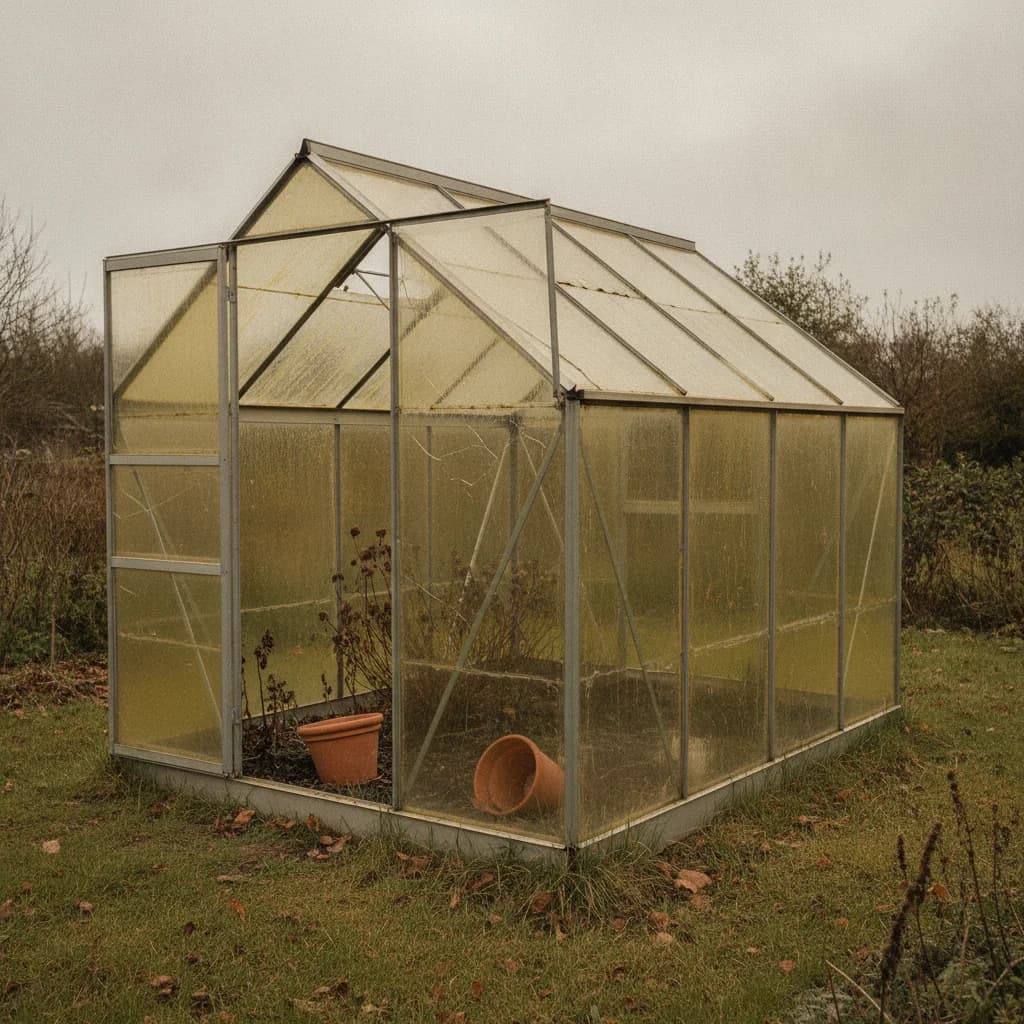
Too small, cheap glazing, wrong base, no anchoring, no auto vents. The mistakes owners say they would fix first, and how to skip every one.
Final Decision
Quick answer: The regrets owners report most are predictable: buying too small, choosing cheap single-wall glazing that yellows in two or three seasons, setting the greenhouse on a poor base, skipping proper anchoring, and leaving out automatic vents. Any one of these turns a good greenhouse into a frustrating one, and the base and glazing mistakes are the expensive-to-fix kind. Almost none of it is about the brand. It is about the base, the glazing, the anchoring, and the ventilation, the parts nobody puts on the quote. Size up one step, buy twin-wall over single-wall, build a real base, anchor it, and fit auto vents, and you avoid the top five regrets before they happen.
Best for
Buyers doing a last gut-check before they order, who want the common mistakes named so they can design them out now.
Wrong fit
Buyers who have already accounted for base, glazing, anchoring, and vents and just want a brand shortlist.
Tradeoff
The regrets that cost the most, the base and the glazing, are the cheapest to prevent and the most expensive to fix after the greenhouse is up.
Ask greenhouse owners what they would do differently and the same short list comes back every time. They almost never say "wrong brand." They say the greenhouse was too small, the cheap panels yellowed and cracked, the base was wrong so the door will not close, it blew apart in the first storm, or everything cooked on a hot afternoon because there were no auto vents. Those are the seven regrets on this page, and all of them are cheaper to design out now than to fix later.
We don't sell greenhouses. We save you from buying the wrong one, and the fastest way to buy wrong is to price the pretty structure and skip the parts that decide whether you enjoy it: the base, the glazing, the anchoring, and the ventilation. Read this as a last check before you order. Fix these on paper today and you keep the money and the plants.
Quick Answer: The Seven Regrets and What They Cost to Fix Late
Regret
What owners report
Cost to fix after the fact
Bought too small
"I filled it in one season, wish I'd sized up"
Buy a second greenhouse, or replace it
Cheap single-wall glazing
"Yellowed and cracked in two years"
Re-glaze or replace the whole kit
Wrong or no base
"It racked and now the door won't close"
Lift the structure, build a base, reset it
No anchoring
"Mine blew away in the first big storm"
Replace the whole structure
No automatic vents
"Cooked every plant on one July afternoon"
$50 to $200 in openers, cheap only if done early
No power or water planned
"Trenching the yard after cost more than the kit"
$1,000 to $3,000 retrofit
Skipped permit or setback
"Neighbor complained, I had to move it"
Relocate or remove it
Every one of these is preventable before you order. The three most expensive to fix later, size, glazing, and base, are locked in the moment you buy, so they are the ones to get right first. Cost figures are illustrative, verify at write time.
1. Too Small
This is the most common regret, full stop. Everyone fills a greenhouse faster than they expect, and the person who bought the 6x8 to be safe is shopping for an 8x12 within a year. Buy one size up from what you think you need and you will still fill it. The one caution: bigger is not free, because a larger house costs more to heat and is harder to keep from overheating, so size up one step, not three. The sizing math is in what size greenhouse do I need, and the heating side is in greenhouse heating cost.
2. Cheap Single-Wall Glazing
"Yellowed in two years" is the line you read again and again on the cheap kits. Thin single-wall polycarbonate and flimsy film clouds, brittles, and cracks fast, and once it goes you are re-glazing or replacing the whole structure. Quality multi-wall polycarbonate costs more up front, retains more heat, and lasts far longer. Alabama Extension's cited 8mm twin-wall value implies about 42 percent less conductive heat loss through the panel than single glass, but exact products vary. Tempered glass stays clear and can serve for decades. Getting glazing wrong is expensive twice, once when you pay for it and again when it fails. Settle it with glass vs polycarbonate before you buy. For what a $249.99 kit and its 90-day warranty leave you to buy, see the Harbor Freight greenhouse review.
3. The Wrong Base, or No Base
A greenhouse needs a level, drained, square base, and skipping it is how you get a racked frame, a door that will not shut, and cracked panes. Setting a greenhouse straight on the grass is the classic version of this regret. The fix later is brutal: lift the whole structure, build the base you should have built, and reset it. The base is the single most under-budgeted line in the whole project, and it decides whether the greenhouse lasts. The three base options and how to pick are in the foundation and base guide.
4. No Anchoring
"Mine blew away" is the most avoidable catastrophic failure there is. An unanchored greenhouse is a kite, and the first real storm ends it. Anchoring, base fixings into a slab or ground anchors into a gravel-and-timber perimeter, is cheap compared to replacing an entire structure that folded across the yard. It is almost never on the quote, so put it there yourself. The life-of-the-structure guidance is in wind and anchoring, served straight, no product pitch.
5. No Automatic Vents
Overheating kills more plants than cold does, and the greenhouse overheats fastest on the sunny days you are at work with the door shut. "Cooked every plant on one July afternoon" is a real and common loss. Automatic vent openers are wax-cylinder devices that open on temperature with no electricity, from about $50 each, and they are the cheapest insurance in the whole build. Aim for total vent area around 15 to 20 percent of the floor. This one is cheap to fix later too, but only if you fix it before the first heat wave, not after. The failure and the fix are in ventilation and overheating.
6. No Power or Water Planned
Deciding you want lighting, heat, or a hose after the greenhouse is built is how a weekend project becomes a trenching job. Running an electrical circuit and a water line across the yard after the fact often costs more than the kit did, $1,000 to $3,000 is common. If there is any chance you will heat it or want water at the bench, plan the trench before the base goes in, not after. It is one of the hidden costs that turns a kit price into a project price, all of them are in the real cost of a greenhouse.
7. Skipped the Permit or Setback Check
The quietest regret and one of the worst: buying the greenhouse, then learning it violates a setback or an HOA rule and has to move or come down. A permit or setback problem stops the whole project after you have paid. It takes ten minutes to check your city zoning page and your HOA covenant before you order. Do it first, not after delivery. The full checklist is in do I need a permit for a greenhouse.
The Regret Nobody Names: Buying a Greenhouse When You Wanted a Room
Some buyers regret the whole category. They wanted a warm, comfortable space to sit, work, or read in through winter, bought a greenhouse, and found it too hot in summer, too cold and drafty in winter, and never really a room. A greenhouse is built to grow plants, not to be a four-season living space. If that is what you actually want, it is an office pod, a different structure with real insulation. Weigh it at backyardoffice.guide before you spend greenhouse money on the wrong building. If you do want to grow, the shortlist by use and budget is in best greenhouses and the value lane is in best polycarbonate greenhouses.
Design out these seven and you skip the regrets almost every owner reports. The base, the glazing, the anchoring, and the ventilation are the parts that decide whether you own a greenhouse you love in ten years or a story about the one that let you down.
Frequently Asked Questions
What do most people regret about buying a greenhouse?
Going too small, cheap glazing that yellows and cracks fast, a poor base, no anchoring, and no automatic vents, in roughly that order. Owners rarely blame the brand. They blame the parts nobody quoted: the base that keeps it square, the anchoring that keeps it in the yard, and the vents that keep the plants from cooking. Get those right before you buy and you avoid the regrets almost everyone else reports.
Should I buy a bigger greenhouse than I think I need?
Yes, one size up, then stop. Everyone fills a greenhouse faster than they plan to, so a slightly larger house earns its footprint and saves you buying a second one. But do not overshoot, because a too-big greenhouse costs more to heat every winter and is harder to keep cool in summer. One step up is the sweet spot, and the math is in what size greenhouse do I need.
Are the cheap greenhouse kits a waste of money?
For one or two seasons of spring seed-starting, a cheap kit can be fine if you treat it as a short-term purchase. For a greenhouse you still own in five years, the pattern is against you: thin single-wall glazing that yellows and cracks, frames that flex in wind, and no real anchoring. If you want five years or more, start with Palram/Canopia, Yoderbilt, or Solexx on a proper base. Buying the cheap kit expecting it to last is the mistake, not buying it knowing what it is.
Do I really need automatic vent openers?
For most buyers, yes, because the door only helps when you are home and the greenhouse overheats fastest on the days you are out. Overheating kills more plants than cold does, and cooking a full bench of seedlings on one hot afternoon is a regret you hear constantly. Wax-cylinder auto openers work on temperature with no electricity, from about $50 each, which makes them the cheapest insurance in the build. Fit them before the first heat wave, not after.
Can I just set my greenhouse on the grass to save money?
You can, and it is one of the most expensive shortcuts you can take. Without a level, drained, square base the frame racks, the door stops closing, and glass panels crack, and the fix is lifting the whole structure to build the base you skipped. A gravel-and-timber base is the lower-cost option and does the job for most kits. The base decides whether the greenhouse lasts, so it is the last place to cut, covered in the foundation and base guide.
How do I stop my greenhouse from blowing away?
Anchor it properly and start with the right base, because "mine blew away" is almost always an anchoring failure. Fix the structure into a concrete slab, or use ground anchors into a gravel-and-timber perimeter, so the whole thing is tied down against wind. It is cheap compared to replacing a structure the wind destroyed, and it is the line most quotes leave out. The full guidance is in wind and anchoring.
These guides are built from manufacturer documentation, public specifications, primary research where health claims matter, and repeated buyer questions that show up in real ownership and installation decisions.
Manufacturer responses can clarify pricing bands, warranty terms, support footprint, or common mistakes. They do not move a page up the shortlist on their own.