Author

Anna Persson

Writer and buyer guide editor

Editorial focus

Anna Persson writes Greenhouse Guide's buyer-facing and educational pages. Her work focuses on helping people understand what a backyard greenhouse actually demands, base, anchoring, and ventilation included, before they spend money.

How she works

Her pages are built from manufacturer documentation, published specifications, engineering and wind and snow-load standards, horticultural sources, and repeated buyer pain points from real ownership stories.

Why this matters

The goal is simple: make the next decision clearer, cut the catalog noise, and say when the mid-market greenhouse is the smarter buy even when a premium glasshouse is beautiful.

Written by Anna Persson

Guides

Palram vs Exaco Riga vs Janssens: Best Value All-In (2026)
2026-08-16Comparison

Palram vs Exaco Riga vs Janssens: Best Value All-In (2026)

Kit, base, vents, warranty and parts priced side by side for the Palram Glory 8x12, Exaco Riga 3 and Janssens Junior Victorian 24. Checked August 16, 2026.

Quick answer: At roughly 100 square feet, checked August 16, 2026, a Palram Canopia Glory 8x12 is a $3,750 to $7,400 DIY project, an Exaco Riga 3 is $8,800 to $10,800, and a Janssens Junior Victorian 24 is $10,500 to $12,800 before paid assembly. Palram wins on price and ships the most vents at this size, two automatic roof vents plus a side louver, but its 10-year warranty is prorated from year two and Canopia publishes no snow or wind rating at all. Riga buys the thickest glazing and the longest frame cover, but the base is $1,299 extra, only one roof vent ships on the Riga 3, and no standard Riga carries a published psf or mph figure. Janssens buys real 4mm tempered glass with the base frame included, and its Royal Victorian line is the only structure of the three with a professionally certified wind and snow rating, though that certification does not extend to the Junior Victorian and the glass itself is excluded from the warranty from day one. None of the three publishes a replacement panel price.

PalramCanopiaExaco RigaJanssensComparisonAll-In CostWarrantyReplacement Parts
Greenhouse Condensation: Why It Drips, What Stops Mold
2026-08-15Installation

Greenhouse Condensation: Why It Drips, What Stops Mold

Why greenhouse glazing drips at night, what humidity causes mold, and whether a $22 fan or a $180 dehumidifier fixes it. Sourced from UMass, RHS, Penn State.

Quick answer: Condensation on greenhouse glazing is normal on cool nights and mostly harmless by itself. It becomes a problem when the air around the plants, not just the glazing, stays above roughly 70 to 85 percent relative humidity for hours, which is when gray mold (botrytis) and other fungal disease take hold. University of Massachusetts Extension puts botrytis infection at 85 percent RH or higher held for 8 to 12 hours; the RHS names 70 percent in still air as the threshold worth acting on. Fix the boundary layer of still, damp air around the leaves first: a small circulation fan (about $22) solves most backyard cases. Venting for a few minutes at dusk while running a little heat, and watering in the morning instead of the evening, handle most of the rest. A dedicated dehumidifier (from about $180) is a real fix, not the first one, for a heated house with a chronic problem the fan and venting do not solve.

GreenhouseHumidityCondensationMoldVentilationOwnership
Overwintering in a Greenhouse: What Survives, What It Costs
2026-08-14Installation

Overwintering in a Greenhouse: What Survives, What It Costs

What actually survives an unheated greenhouse, which plants need 40F or more, and what each temperature tier costs to hold. Sourced from RHS and extension data.

Quick answer: An unheated greenhouse overwinters hardy plants and cold-tolerant greens, but it is not a frost-free room: on clear, calm nights it can run 2.5 to 10F colder than outside, per University of Maryland's Ask Extension service. Tender favorites need real temperature floors, sourced from RHS growing guides: pelargoniums and half-hardy fuchsias need frost-free (about 40F), lemons hold at 41F, but limes and grapefruit need above 50F and calamondin oranges 55F. The cost ladder, from our heating data at roughly $0.16/kWh: frost-free in a small twin-wall house runs about $10 to $120 a month depending on climate, while a warm house at 55F runs $120 to $300, more for larger houses. Match the plant list to the tier before you buy the heater.

OverwinteringWinterHeatingCold ClimateGreenhouseOwnership
Alitex Greenhouse Cost: Real 2026 Prices
2026-08-13Budget

Alitex Greenhouse Cost: Real 2026 Prices

Alitex publishes real prices, unlike most premium makers. The full 2026 National Trust price list, the $60,000 US floor, and what lands on top.

Quick answer: Alitex publishes real prices, which is rare in this tier. As of August 2026, the UK National Trust Collection runs from £19,500 for the Hidcote (2.6 x 3m) to £55,600 for the Ickworth (2.9 x 7.1m), including VAT, delivery, and installation in mainland England and Wales. The brick base is extra. In the US, the Kew Collection starts at $60,000, with the entry Capel model at $61,500 including delivery and installation in 19 listed states. Bespoke builds are quoted individually and run higher. Prices have risen roughly 70 percent since 2018-2020, so ignore any figure you read without a date on it.

AlitexCostPricingLuxuryGlass GreenhouseBuying Guide
Greenhouse Season Extension: How Long You Can Grow Unheated
2026-08-08Installation

Greenhouse Season Extension: How Long You Can Grow Unheated

An unheated greenhouse can add 4 to 8 weeks at each end of the season, not a full winter. See what passive protection buys and when heat is worth the cost.

Quick answer: An unheated greenhouse typically stretches the growing season 4 to 8 weeks on each end for cold-hardy crops like lettuce, spinach, kale, and root vegetables, not a full winter of warm-season growing. The structure alone is not reliably warmer than outside air: on a clear, calm night it can trap cold air and run colder than the yard until thermal mass or a row cover is added. Passive tools, thermal mass, an inner row cover, and tight sealing, buy real weeks. Growing tomatoes or peppers through a hard winter is a heating-cost decision, not a season-extension trick.

GreenhouseSeason ExtensionCold ClimateHeatingOverwintering
Yoderbilt Greenhouse Review 2026: Cost, Delivery & Warranty
2026-07-25Final Decision

Yoderbilt Greenhouse Review 2026: Cost, Delivery & Warranty

Yoderbilt starts at $3,295 and arrives assembled. Current prices, delivery access, owner evidence, maintenance, warranty gaps, and who should buy one.

Quick answer: Yoderbilt is worth the premium for a US buyer who wants a solid wood-and-polycarbonate greenhouse delivered fully assembled and has a clear route into the yard. Current prices run from $3,295 for a Traditional 8x8 to $16,695 for a Legacy 12x32, before options, tax, delivery outside eligible areas, and site preparation. Four-year independent owner evidence is encouraging on wind, hail, panels, and support. The main stop gates are access, recurring wood maintenance, summer heat, and the lack of a clearly published structural and panel warranty. Get the full warranty in writing before paying the deposit.

YoderbiltReviewPrebuilt GreenhouseWood GreenhousePolycarbonateBuying Guide
Rion Greenhouse Review 2026: Prices, Wind & Verdict
2026-07-25Final Decision

Rion Greenhouse Review 2026: Prices, Wind & Verdict

Rion spans $1,739 to $8,699 before the separate base. Model-by-model value, wind limits, assembly reality, warranty ambiguity, and who should buy one.

Quick answer: Rion is worth considering below about $4,000 if you want a rust-proof resin frame, twin-wall roof glazing, and a walk-in kit that is more substantial than the thinnest aluminium flat-packs. The EcoGrow 2 starts at $1,739 and the Grand Gardener 2 starts at $3,149 in current specialty-retailer pricing, but the matching base costs extra. The honest cutoff is weather and price. A Grand Gardener is rated around 56 mph wind and 15.4 psf snow when properly assembled and anchored. Above roughly $5,000, a heavier Palram Glory or an Exaco Riga usually buys more structure for the money.

RionCanopiaReviewPolycarbonateGreenhouse KitBuying Guide
Exaco Riga Greenhouse Review 2026: Cost, Snow & Assembly
2026-07-25Final Decision

Exaco Riga Greenhouse Review 2026: Cost, Snow & Assembly

Riga starts at $5,999, but the base is extra. Real 2026 prices, assembly effort, warranty limits, cold-climate strengths, and who should buy one.

Quick answer: The Exaco Riga is one of the strongest serious-hobby greenhouses for a cold, snowy, or windy US climate. The standard Riga uses 8mm twin-wall polycarbonate with 10mm gable panels, while the Riga XL moves to 16mm triple-wall. Official 2026 kit prices run from $5,999 to $22,999, and the factory foundation frame adds $824 to $3,149 before site work or assembly. Long-term owners report frames and panels still holding up after 10 years, but this is a substantial two-to-three-person build, the twin-wall warranty becomes prorated after year five, and extreme-weather damage is excluded. Buy it for insulation and structure, not for a clear-glass look or an easy weekend build.

Exaco RigaHoklarthermReviewPolycarbonateCold ClimateBuying Guide
Gabriel Ash Greenhouse Cost After the 2026 Closure
2026-07-24Budget

Gabriel Ash Greenhouse Cost After the 2026 Closure

Last verified Gabriel Ash prices ran from about £2,400 to £12,250, but the brand closed in April 2026. What remaining stock, warranty and support mean for buyers.

Quick answer: Gabriel Ash closed and stopped taking new orders in April 2026. The last verified UK retail range ran from about £2,399.99 for a Classic 6x4 to £12,249.99 for a 12x20, with a reduced ex-display 6x8 listed at £2,999.99 in July. Treat those as remaining-stock references, not a live factory price list. Buy only with the exact unit, delivery, condition, support path and warranty confirmation in writing.

Gabriel AshCostClosureCedar GreenhouseBuying Guide
Janssens Greenhouse Review 2026: The Honest Verdict
2026-07-15Final Decision

Janssens Greenhouse Review 2026: The Honest Verdict

The Belgian glass Victorian, reviewed independently. Real assembly times, the warranty fine print, conditional wind ratings, and what it costs all-in.

Quick answer: Janssens is the step into real glass, and for most buyers who want the Victorian look without heirloom-tier money, it is the right call. Belgian-designed kits in 4mm tempered glass on a sturdy aluminium frame, sold in the US through Exaco in Texas, running roughly $8,000 for the smallest Junior Victorian to about $19,000 for the largest Royal Victorian, re-verified August 2026, kit only. Owners praise the precision fit, the longevity, and Exaco's genuinely excellent support. The honest caveats: the assembly manual is the most complained-about part across 13 years of reviews, a real build takes two days to two weeks or $3,500 to $4,000 in pro assembly, the glass itself is excluded from the warranty, and the impressive wind ratings only apply on a proper anchored foundation. Buy it as a multi-day project with a beautiful result, not a weekend kit.

JanssensReviewGlass GreenhouseVictorianPremiumBuying Guide
Hartley Botanic Greenhouse Cost: Real 2026 Prices
2026-07-15Budget

Hartley Botanic Greenhouse Cost: Real 2026 Prices

Hartley Botanic doesn't publish prices. We assembled the real numbers: what buyers have paid, what the quote excludes, and where the project total lands.

Quick answer: Hartley Botanic does not publish prices, but the real numbers exist. Hartley's own US company profile lists a typical job at $30,000 to $250,000 installed. Its Irish site published starting prices of around 2,700 pounds for structures and 9,000 pounds for the Victorian range, roughly $3,600 and $12,100 before the wall, base, and site work, before that site went offline in mid-2026, so treat those as historical floors. Hartley's own published US figures include a $25,603 Planthouse (2016, excluding freight, labor, and masonry) and custom builds quoted at $265,000 to $275,000. US shipping and installation adds about 20 percent, the masonry dwarf wall is yours to arrange, and the guarantee on structure and installation runs 30 years. Realistic planning number for a US Victorian project: $30,000 and up, all-in.

Hartley BotanicCostPricingLuxuryGlass GreenhouseBuying Guide
Greenhouse Buying Guide: Costs, What Matters, What Goes Wrong
2026-07-07Final Decision

Greenhouse Buying Guide: Costs, What Matters, What Goes Wrong

The complete greenhouse buying guide. Real 2026 project costs, glass vs polycarbonate, sizing, base and anchoring, permits, and when to walk away.

Quick answer: Decide the project before the product. A premium glasshouse is an $8,000 to $40,000 structure that becomes a $12,000 to $50,000 project once the base, anchoring, vents, and utility runs are in. A mid-market polycarbonate house lands at $2,200 to $9,000 all-in and grows the same plants. Choose glazing for your climate, size up one step, budget the base and anchoring like they matter, because they decide whether the greenhouse lasts, and check permits before you order, not after.

GreenhouseBuying GuideBudgetGlazingFoundationVentilationBrands
Greenhouse Shade Cloth Guide: When Heat Becomes the Real Problem
2026-07-06Installation

Greenhouse Shade Cloth Guide: When Heat Becomes the Real Problem

How to use greenhouse shade cloth without guessing, including heat buildup, glazing, ventilation, crop needs, timing, and why shade is not a substitute for vents.

Quick answer: Shade cloth helps when the greenhouse is overheating, but it does not replace vents, airflow, watering, or good siting. Treat shade as one part of the summer-control plan.

GreenhouseShade ClothVentilationHeat
Greenhouse Pest and Disease Prevention: The Buyer Guide
2026-07-06Final Decision

Greenhouse Pest and Disease Prevention: The Buyer Guide

A practical greenhouse pest and disease prevention guide covering airflow, sanitation, spacing, watering, quarantine, screening, and inspection habits.

Quick answer: Most greenhouse pest and disease problems get easier when the structure is ventilated, cleanable, not overcrowded, and easy to inspect. Prevention starts with layout, not sprays.

GreenhousePestsDiseaseMaintenance
Greenhouse Irrigation Guide: Watering Without Drowning Plants
2026-07-06Installation

Greenhouse Irrigation Guide: Watering Without Drowning Plants

A buyer guide to greenhouse irrigation choices, including hand watering, drip lines, timers, humidity, drainage, crop grouping, and why water is a design decision.

Quick answer: Greenhouse irrigation is not just convenience. It affects humidity, disease pressure, drainage, summer heat, and whether the greenhouse can be left alone for a weekend.

GreenhouseIrrigationWateringMaintenance
Greenhouse Flooring and Drainage: Gravel, Pavers, Concrete, Soil
2026-07-06Installation

Greenhouse Flooring and Drainage: Gravel, Pavers, Concrete, Soil

Greenhouse flooring options compared by drainage, cost, cleaning, weeds, accessibility, heat, humidity, and long-term maintenance.

Quick answer: The best greenhouse floor depends on drainage and use. Gravel is practical and forgiving. Pavers look cleaner. Concrete is easiest to roll and clean but needs drainage planning. Bare soil is rarely the lowest-maintenance path.

GreenhouseFlooringDrainageFoundation
Greenhouse Automatic Vent Openers: Cheap Part, Costly to Skip
2026-07-06Installation

Greenhouse Automatic Vent Openers: Cheap Part, Costly to Skip

How automatic greenhouse vent openers work, when they matter, where to place them, and why they are not a substitute for enough vent area.

Quick answer: Automatic vent openers are cheap insurance against overheating when you are not home, but they only work if the greenhouse has enough roof and side vent area to move air.

GreenhouseVentilationOverheatingBuying Guide
What Size Greenhouse Do I Need? (2026)
2026-07-05Greenhouse Type

What Size Greenhouse Do I Need? (2026)

Everyone says buy bigger, and they're mostly right. But a too-big greenhouse costs more to heat every winter. Here's where the line is.

Quick answer: Buy one size larger than you think you need, then stop. Nearly every greenhouse owner fills the space faster than expected and wishes they had gone bigger, so an 8x10 or 8x12 is a safer starting point than a 6x8 for a serious gardener. But bigger is not free: a larger greenhouse costs more to heat every winter and is harder to keep from overheating in summer, so going two or three sizes up 'to be safe' can leave you paying to heat empty air. Size to your real use and your climate, add one step for growth, and match the heating budget to the volume you chose.

GreenhouseSizingBuying GuideHeating CostPlanning
Real Cost of a Greenhouse (2026)
2026-07-05Budget

Real Cost of a Greenhouse (2026)

The kit is $8,000. The project is $12,000 to $18,000 once the base, anchoring, and auto vents are in. The line items nobody quotes.

Quick answer: A serious backyard greenhouse is an $8,000 structure that becomes a $12,000 to $18,000 project once you add the base, site prep, anchoring, automatic vents, and running power and water to it. The base alone runs $500 to $5,000 and is the single most under-budgeted line. A mid-market polycarbonate kit is a different budget entirely, roughly $1,500 to $6,000 for the kit plus a $500 to $2,000 base you still cannot skip. Price the whole project before you fall for a catalog photo, because the base, the anchoring, and the ventilation are the parts that decide whether it lasts.
GreenhouseBuying GuideBudgetInstalled CostFoundationVentilation
Palram Canopia Review 2026: Honest Verdict
2026-07-05Final Decision

Palram Canopia Review 2026: Honest Verdict

The mid-market default, reviewed straight. Twin-wall to 10mm, 5 to 10 year warranty, and exactly where it falls short of a glasshouse.

Quick answer: Palram/Canopia is the mid-market greenhouse default, and for most step-up buyers it is the right call. Twin-wall polycarbonate on an aluminium frame, widely stocked, DIY-friendly, priced roughly $1,500 to $6,000 for the kit. The Glory line uses 10mm twin-wall and carries a 10-year warranty, the Balance and lighter lines run 5 years. It insulates about twice as well as single glass, resists hail, and on a proper base it lasts well past a decade. Where it falls short of a premium glasshouse: the aluminium frame is lighter, the panels sit in channels and can pop out if the greenhouse is under-anchored, the hardware and instructions are fiddly, and the polycarbonate yellows over time. Buy it for value that lasts, not for heirloom looks.

PalramCanopiaReviewPolycarbonateMid-MarketBuying Guide
Hartley Botanic vs Alitex: Premium Glasshouses
2026-07-05Comparison

Hartley Botanic vs Alitex: Premium Glasshouses

Hartley Botanic and Alitex compared for a new premium glasshouse, plus the current Gabriel Ash closure status buyers need before shortlisting.

Quick answer: As of July 28, 2026, Gabriel Ash is no longer producing or selling new greenhouses. Existing orders are being completed, warranties are being honored, and replacement parts remain available. For a new bespoke glasshouse, the live choice is Hartley Botanic versus Alitex. Hartley offers long heritage, 4mm toughened glass, and a roughly 30-year structural guarantee. Alitex offers its National Trust collection, published example starting prices, a 25-year-plus structural guarantee, and a 10-year finish warranty. On both, the masonry base and flooring are extra. Consider a Gabriel Ash only as remaining, ex-display, or used stock with condition, parts, and warranty support confirmed in writing.

Hartley BotanicAlitexGabriel AshPremium GreenhouseComparisonGlasshouseBuying Guide
How Greenhouses Blow Apart, and Anchoring Done Right
2026-07-05Installation

How Greenhouses Blow Apart, and Anchoring Done Right

An unanchored greenhouse is a kite. How wind failure happens, what ASCE 7 wind loads mean, and how base fixings and ground anchors keep it up.

Quick answer: Greenhouses fail in wind at the base, not the frame. An unanchored or poorly based greenhouse lifts, racks, and folds, and it is the most common catastrophic greenhouse failure. Anchor the frame to a slab with base fixings, or to a gravel-and-timber perimeter with ground anchors, rated for the local design wind speed that ASCE 7 maps by region and risk category (often 85 to 150-plus mph). Anchoring is one of the cheapest lines in the whole project and the one that decides whether the structure is still standing after the first big storm.

GreenhouseSafetyStructuralWind LoadAnchoringFoundation
Greenhouse Overheating and Ventilation Done Right
2026-07-05Installation

Greenhouse Overheating and Ventilation Done Right

An unvented greenhouse hits 120 to 140F and cooks plants by noon. Vent area, roof and side vents, and auto openers that need no power.

Quick answer: A greenhouse with too little vent area and no automatic openers can cook every plant in one July afternoon, because an unvented greenhouse can climb to 120 to 140F on a sunny day. Fit total vent area equal to roughly 15 to 20 percent of the floor area, split between roof vents and low side vents so hot air rises out while cooler air draws in. Add wax-cylinder automatic vent openers, which open and close on temperature with no electricity and run from about $30 to $60 for a basic unit up to $100-plus for a heavy-duty one (verify at write time). On any greenhouse you will not be standing next to at midday, auto vents are not an accessory, they are what keeps the plants alive.

GreenhouseSafetyVentilationOverheatingAuto VentsCooling
Greenhouse Snow Load: Roof Pitch and Collapse
2026-07-05Installation

Greenhouse Snow Load: Roof Pitch and Collapse

Wet snow weighs 20 lb per cubic foot. Why a flat cheap roof caves, what ASCE 7 snow load means, and the roof pitch that sheds it.

Quick answer: A cheap flat or low-pitch greenhouse roof caves under wet snow because a shallow roof cannot shed the load, and wet snow weighs up to about 20 pounds per cubic foot. Snow load is rated in pounds per square foot (psf); ASCE 7 sets your ground snow load by location, and a roof at 30 degrees or steeper sheds a large share of it, since the slope factor can cut the effective load by roughly a third on slippery glazing. A greenhouse rated near 25 psf handles roughly 15 inches of wet snow before it is at risk, so in the Snowbelt you want a steep roof, a strong frame, and a rating that clears your local ground snow load with margin. Match the greenhouse to your ASCE 7 ground snow load, not to a catalog photo, and brush heavy wet snow off anyway.

GreenhouseSafetyStructuralSnow LoadCold ClimateRoof Pitch
Greenhouse Heating Cost (2026)
2026-07-05Budget

Greenhouse Heating Cost (2026)

Frost-free runs $10 to $120 a month. A warm growing house runs $100 to $600-plus. What size, glazing, and climate do to your winter bill.

Quick answer: Heating a backyard greenhouse runs from about $10 a month to over $600, and the target temperature drives the bill more than the size does. Keeping a small twin-wall house frost-free at 40F in a mild climate is roughly $10 to $40 a month, while holding a large single-glass house warm enough for winter tomatoes can pass $600. Single-pane glass loses about twice the heat of twin-wall polycarbonate, so glazing and insulation move the bill as much as square footage. For most buyers the honest move is to heat only to frost-free and run a heated propagation bench for seedlings, not to warm the whole structure. Verify current electricity and propane prices for your area, because an energy-cost swing changes every number here.

GreenhouseHeatingRunning CostGlazingCold ClimateBuying Guide
Greenhouse Glass Safety: Tempered vs Horticultural
2026-07-05Greenhouse Type

Greenhouse Glass Safety: Tempered vs Horticultural

Tempered glass shatters into blunt granules. Horticultural glass throws sharp shards. Why cheap kits use dangerous glass or brittle poly.

Quick answer: Tempered (toughened) glass is the safe glazing for a greenhouse, because it breaks into small blunt granules instead of the long sharp shards that annealed horticultural glass throws. Horticultural glass is usually 3mm annealed float glass, cheaper and very clear, but a broken overhead pane becomes a falling-glass hazard, which is why premium glasshouses use 3 to 4mm toughened panes. Cheap flat-pack kits cut cost with thin horticultural glass or brittle single-wall polycarbonate that yellows and cracks in two to three seasons. If children or pets are around the garden, choose tempered glass or twin-wall polycarbonate, not annealed.

GreenhouseSafetyGlazingTempered GlassHorticultural GlassPolycarbonate
Greenhouse Foundation and Base Guide (2026)
2026-07-05Installation

Greenhouse Foundation and Base Guide (2026)

Gravel-and-timber, concrete slab, or brick dwarf wall? The base runs $500 to $5,000 and decides whether the greenhouse lasts. The honest breakdown.
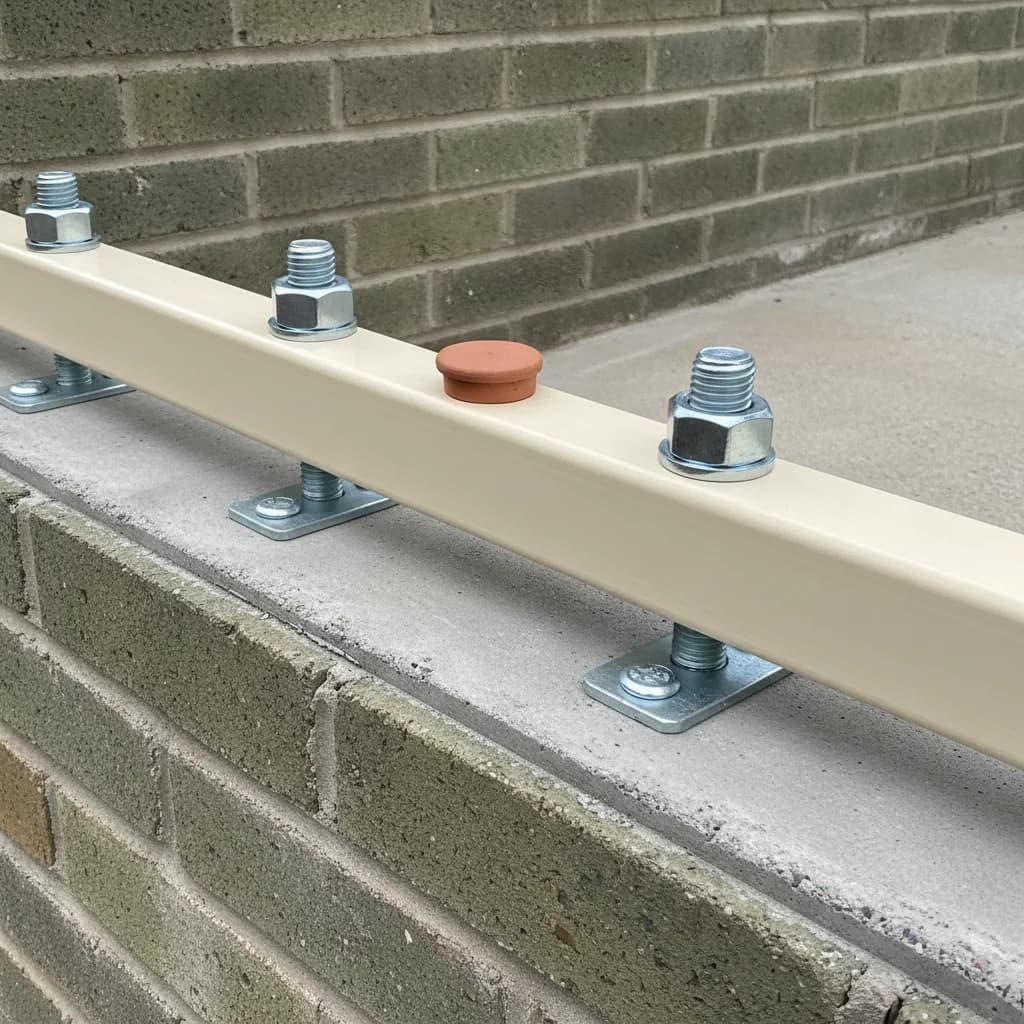
Quick answer: A greenhouse needs a level, drained, square base, and it is the single most under-budgeted line in the whole project, running $500 to $5,000 or more. Gravel-and-timber ($1 to $3 per square foot in materials) drains well, is DIY-friendly, and suits most mid-market kits. A concrete slab ($3 to $6 per square foot) is the strongest base, best for heavy glasshouses and soft ground, and will not shift or need re-leveling for 25-plus years. A brick or block dwarf wall is the premium base under a glass house, several thousand dollars built by a mason. The base is also what you anchor to, so it decides whether the greenhouse survives a storm.
GreenhouseFoundationBaseInstallationAnchoringBuying Guide
Greenhouse Buying Regrets: The 7 Big Mistakes
2026-07-05Final Decision

Greenhouse Buying Regrets: The 7 Big Mistakes

Too small, cheap glazing, wrong base, no anchoring, no auto vents. The mistakes owners say they would fix first, and how to skip every one.

Quick answer: The regrets owners report most are predictable: buying too small, choosing cheap single-wall glazing that yellows in two or three seasons, setting the greenhouse on a poor base, skipping proper anchoring, and leaving out automatic vents. Any one of these turns a good greenhouse into a frustrating one, and the base and glazing mistakes are the expensive-to-fix kind. Almost none of it is about the brand. It is about the base, the glazing, the anchoring, and the ventilation, the parts nobody puts on the quote. Size up one step, buy twin-wall over single-wall, build a real base, anchor it, and fit auto vents, and you avoid the top five regrets before they happen.

GreenhouseBuying GuideMistakesBaseVentilationAnchoring
Glass vs Polycarbonate Greenhouse (2026)
2026-07-05Greenhouse Type

Glass vs Polycarbonate Greenhouse (2026)

Glass gives 90% light and clarity. Twin-wall polycarbonate insulates twice as well and survives hail. Which fits your climate, honestly.

Quick answer: Glass transmits about 90 percent of light with the clearest view and the longest raw lifespan, but it insulates poorly (around R-0.9 single pane), cracks under hail, and can be a falling-glass hazard unless it is tempered. Twin-wall polycarbonate transmits roughly 80 percent as diffused light, insulates about twice as well (R-1.7), and shrugs off hail and impact, but it yellows over the years and gives no clear view out. For a cold or hail-prone climate and season extension, polycarbonate is usually the smarter call. For light clarity, looks, and a 20-year-plus glasshouse, choose tempered glass. Pick by your climate and how you garden, not by which looks better in a catalog.

GreenhouseGlazingGlassPolycarbonateComparisonBuying Guide
Do I Need a Permit for a Greenhouse?
2026-07-05Installation

Do I Need a Permit for a Greenhouse?

Most greenhouses under 120 sq ft skip a building permit, but setbacks, HOA rules, and property lines still apply. The check that stops projects late.

Quick answer: In most US areas a greenhouse under about 120 square feet needs no building permit, but that threshold varies by town and is only half the question. Even a permit-exempt greenhouse still has to obey zoning setbacks, often 5 to 10 feet from a property line, plus easements and any HOA rule on outbuildings. Adding a poured foundation, an electrical circuit, or plumbed water usually pulls it back into permit territory regardless of size. Check your city zoning page and your HOA covenant before you order, because a setback violation or an HOA denial is the line item that halts the project after the kit is already paid for. Confirm your local threshold at write time, since codes differ by municipality.

GreenhousePermitsZoningHOASetbacksPlanning
Best Polycarbonate Greenhouses 2026
2026-07-05Shortlist

Best Polycarbonate Greenhouses 2026

Twin and triple-wall picks that insulate twice as well as glass and survive hail. Palram, Rion, Yoderbilt, Solexx, and Riga compared honestly.

Quick answer: The best polycarbonate greenhouses are the mid-market picks that finally last: Palram/Canopia for widely available value, Rion for a sheltered-site resin-frame kit at the right price, Yoderbilt for a US-built preassembled structure, Solexx for highly diffused cold-climate growing, and Exaco Riga for the serious cold, snow, and wind step up. Standard Riga models use 8mm twin-wall panels with 10mm gables, while only the Riga XL moves to 16mm triple-wall. Polycarbonate insulates far better than single glass, diffuses light evenly, and shrugs off impacts that would crack a pane. The tradeoffs are a cloudy view, eventual panel replacement, and the need for a level, anchored base.

PolycarbonateGreenhouseRoundupPalramRionYoderbiltSolexxExaco RigaBuying Guide
Best Greenhouses 2026: Premium and Mid Picks
2026-07-05Shortlist

Best Greenhouses 2026: Premium and Mid Picks

Hartley, Alitex, and Janssens glass against Palram, Yoderbilt, and Solexx. Honest picks by budget, climate, and how you actually garden.

Quick answer: The best greenhouse depends on your lane, not a single winner. Hartley Botanic and Alitex lead the heirloom glass tier. Janssens is the reachable step into real tempered glass, from about $8,800 to $19,000 for the core Victorian kits. Palram/Canopia and Yoderbilt are the honest mid-market picks. Between $5,000 and $20,000, Exaco Riga is the strongest cold-climate workhorse, with standard kits from $5,999 to $9,199 and the 16mm triple-wall XL 6 at $18,499 before the separate base and site work. Buy glass for looks and clarity. Buy polycarbonate for insulation, impact resistance, and a smaller bill.

GreenhouseBuying GuideRoundupHartley BotanicPalramYoderbiltExaco Riga
Best Greenhouses for Cold Climates (2026)
2026-07-05Shortlist

Best Greenhouses for Cold Climates (2026)

Twin and triple-wall poly, real snow-load ratings, and heating that pencils out. The picks that survive a hard winter and stretch the season.

Quick answer: For a cold climate the right greenhouse is about insulation and snow-load rating first, brand second. Twin-wall or triple-wall polycarbonate (R-1.7 to R-2.8) and Solexx twin-wall polyethylene (R-2.1 to R-2.3) hold heat far better than single-pane glass (R-0.9), which can roughly halve your winter heating bill, and a steep roof sheds snow instead of holding it. In heavy-snow regions the frame has to be rated for your local ground-snow load, so confirm that figure before you buy. The honest short list is Solexx and Palram/Canopia Glory for value, and the Exaco Riga, built in Germany by Hoklartherm, for a stronger arched build with 8mm to 16mm multi-wall glazing.

GreenhouseCold ClimateRoundupPolycarbonateSnow LoadSeason Extension
Aluminium vs Wood Greenhouse Frame (2026)
2026-07-05Greenhouse Type

Aluminium vs Wood Greenhouse Frame (2026)

Aluminium is low-maintenance and lets in more light. Wood looks warmer and insulates better, but wants upkeep. Which frame fits you.

Quick answer: Aluminium frames are low-maintenance, do not rot, and use slim glazing bars that let in more light, which is why nearly every kit and most premium glasshouses (Hartley, Alitex) use them. Wood frames, cedar at the premium end and pressure-treated softwood like Yoderbilt's southern yellow pine in the mid-market, look warmer, insulate a little better because wood does not conduct heat the way metal does, and feel more substantial, but they want periodic treating and cost more. Choose aluminium for zero upkeep, maximum light, and lower cost. Choose wood for looks, slightly better heat retention, and a more solid feel, if you accept the maintenance. It is a looks-and-upkeep decision, not a quality one.

GreenhouseFrameAluminiumWoodCedarComparisonBuying Guide